


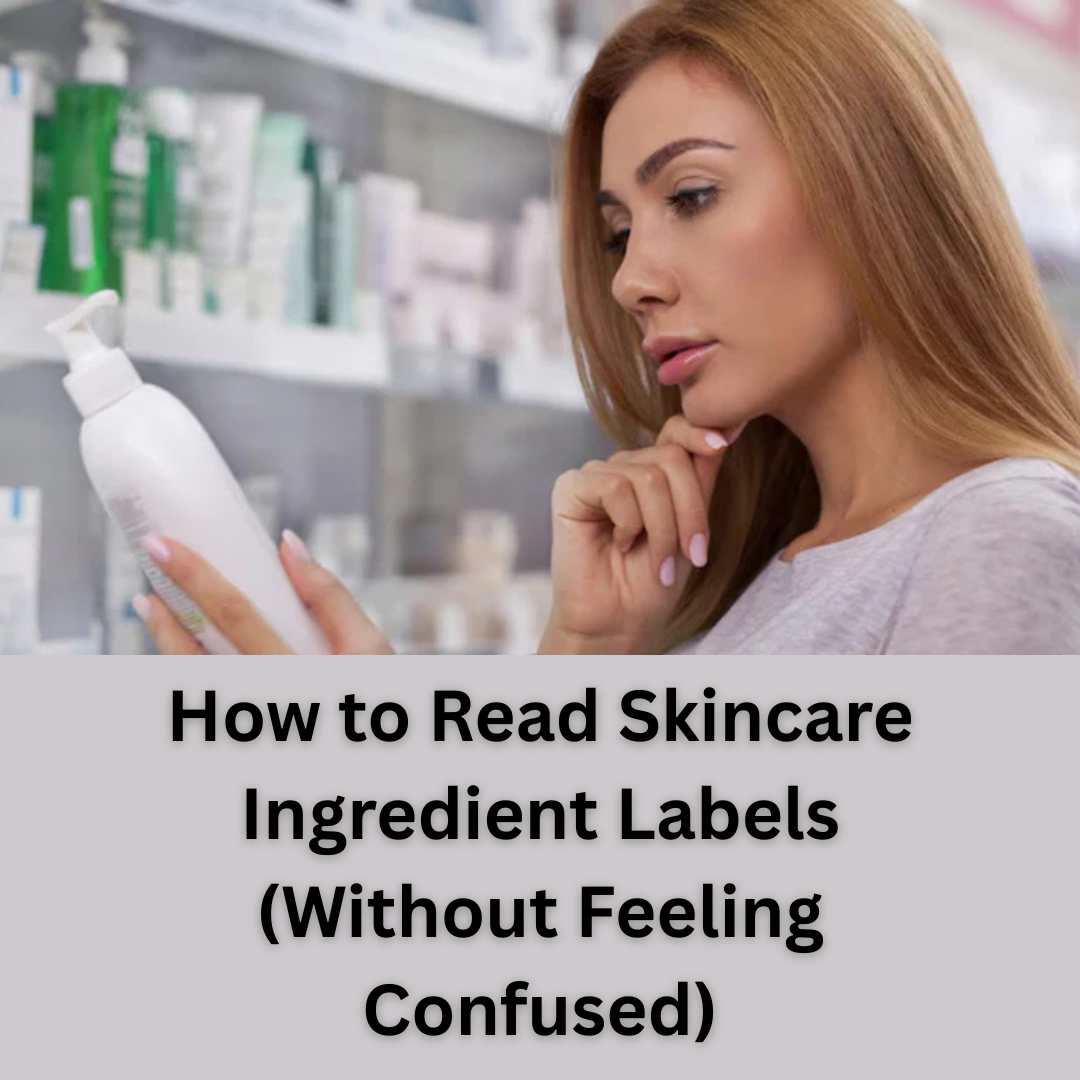
Ever turned a product around, looked at the ingredient list, and immediately felt like you were reading a chemistry textbook? You’re not alone. Skincare labels can seem intimidating, but once you understand a few basics, they become incredibly helpful tools for choosing products that actually work for your skin.
This guide will help you decode ingredient lists, understand what really matters, and shop smarter for your skincare routine.
First Things First: How Ingredient Lists Are Ordered
Ingredients on skincare products are listed in descending order of concentration – meaning the ingredients at the top make up the largest portion of the formula.
Here’s what that means for you:
- The first 5 ingredients usually make up the majority of the product
- Ingredients listed toward the end are present in smaller amounts (often under 1%)
- Active ingredients can still be effective at low percentages especially powerful ones like retinol
So if a product claims to be packed with a certain ingredient, but it’s near the bottom of the list, the amount may be very small.
The Base Ingredients: Not Glamorous, But Important
The first ingredients in most skincare products form the base of the formula.
Water (Aqua)
The most common first ingredient. It acts as a solvent to dissolve other ingredients and give products their texture.
Humectants
These attract water into the skin.
Look for:
- Glycerin – deeply hydrating and skin-friendly
- Hyaluronic Acid (Sodium Hyaluronate) – helps skin hold onto moisture
- Propylene Glycol / Butylene Glycol – help with hydration and ingredient absorption
These ingredients are especially beneficial if you have dry or dehydrated skin.
The “Star” Ingredients: Actives That Do the Work
These are the ingredients that target specific skin concerns.
For Hydration & Skin Barrier
- Hyaluronic Acid – boosts moisture levels
- Ceramides – help repair and protect the skin barrier
- Panthenol (Vitamin B5) – soothes and hydrates
- Squalane – lightweight oil that softens and supports barrier health
Great for dry, sensitive, or damaged skin.
For Brightening & Dark Spots
- Vitamin C (Ascorbic Acid or derivatives) – brightens and protects from environmental damage
- Niacinamide (Vitamin B3) – evens skin tone and strengthens the barrier
- Alpha Arbutin – helps fade hyperpigmentation
- Licorice Root Extract – naturally brightening and soothing
These are ideal if you’re dealing with dullness, sun spots, or post-acne marks.
For Acne & Oil Control
- Salicylic Acid (BHA) – penetrates pores to clear oil and debris
- Benzoyl Peroxide – kills acne-causing bacteria
- Niacinamide – reduces inflammation and regulates oil production
- Zinc PCA – helps balance sebum levels
If breakouts are your main concern, these are ingredients to look for near the top half of the list.
For Anti-Aging & Texture
- Retinol / Retinoids – improve fine lines, wrinkles, and skin texture
- Peptides – support firmness and smoothness
- AHAs (Glycolic Acid, Lactic Acid) – exfoliate surface skin for a smoother look
- Bakuchiol – a gentler, plant-based alternative to retinol
These ingredients help improve skin renewal and overall smoothness over time.
Soothing Ingredients for Sensitive Skin
If your skin gets red, irritated, or reactive, look for calming ingredients:
- Aloe Vera
- Centella Asiatica (Cica)
- Chamomile Extract
- Oat Extract (Colloidal Oatmeal)
- Allantoin
These help reduce irritation and support healing — especially important if you use strong actives like retinol or exfoliating acids.
Ingredients That Help With Texture & Feel
Not all ingredients are about treatment – some improve how a product feels and works on the skin.
- Dimethicone – a silicone that smooths skin and locks in moisture (non-comedogenic for most people)
- Fatty Alcohols (Cetyl Alcohol, Stearyl Alcohol) – moisturizing and non-drying (different from harsh alcohols)
- Emollient Oils (Jojoba, Sunflower, Rosehip) – soften and nourish the skin
These ingredients make products feel silky, blendable, and comfortable to wear.
Ingredients Some People Prefer to Avoid
Not all “avoid” ingredients are bad – it often depends on your skin type and personal preference.
Alcohol Denat.
Can feel drying, especially in high amounts. Those with dry or sensitive skin may want to avoid products where this is near the top of the list.
Fragrance / Perfume
Can irritate sensitive or reactive skin. Fragrance-free products are often safer if you’re prone to redness or stinging.
Essential Oils
Natural but still potentially irritating for sensitive skin (like citrus or peppermint oils).
Sulfates (Mostly in Cleansers)
Strong cleansing agents that can strip dry or sensitive skin.
Don’t Fall for Marketing on the Front Label
The front of a product might say:
- “With Vitamin C”
- “Infused with Aloe”
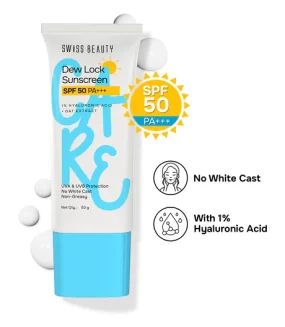
- “Made with Hyaluronic Acid”
But the ingredient list tells the real story.
If that highlighted ingredient is:
- Near the top → likely present in a meaningful amount
- At the very bottom → probably included in a tiny concentration for marketing appeal
Always flip the product over – your skin will thank you.
Bonus: Shorter Lists Aren’t Always Better
Some brands promote “minimal ingredient” formulas. While fewer ingredients can be great for sensitive skin, longer lists aren’t automatically bad.
A well-formulated product may include:
- Hydrators
- Stabilizers
- Preservatives (to keep it safe)
- Texture enhancers
- Multiple beneficial actives
What matters most is how the ingredients work together, not just how many there are.