



If you use serums, moisturizers, and treatments but skip sunscreen, you could be undoing all your hard work. Sunscreen isn’t just a “beach day” product – it’s the single most powerful anti-aging and skin-protecting step in your daily routine.
And yes… you still need it even if you’re indoors most of the day.
Let’s break down why SPF matters so much and how to use it correctly.
What Does SPF Actually Protect Your Skin From?
SPF (Sun Protection Factor) protects your skin from ultraviolet (UV) radiation, which comes from the sun. There are two main types that affect your skin:
UVA Rays – The Aging Rays
UVA rays penetrate deep into the skin and are responsible for:
- Fine lines and wrinkles
- Loss of firmness
- Dark spots and hyperpigmentation
- Premature aging
These rays are present all year round and can even pass through windows.
UVB Rays – The Burning Rays
UVB rays affect the top layer of your skin and are responsible for:
- Sunburn
- Redness
- Skin damage that can lead to skin cancer
Both types of rays damage skin cells, which is why broad-spectrum sunscreen (protects from UVA and UVB) is essential.
The Truth: Most Visible Skin Aging Is Caused by the Sun
Studies have shown that up to 80–90% of visible skin aging (like wrinkles, sagging, and pigmentation) is linked to sun exposure – not just time or genetics.
That means sunscreen is more powerful than almost any anti-aging cream you can buy. Without SPF, UV damage continues daily, breaking down collagen and triggering uneven pigment.
Think of sunscreen as your daily insurance policy for youthful-looking skin.
“But I’m Indoors All Day – Do I Still Need SPF?”
Short answer: Yes.
Here’s why:
- UVA rays can pass through windows
- Blue light from screens may contribute to pigmentation in some skin tones
- You’re still exposed when walking to your car, sitting near windows, or stepping outside briefly
Even small amounts of daily exposure add up over time. Consistent protection is what keeps skin tone even and texture smooth long-term.
If you sit near natural light or drive during the day, SPF is still a must.
What Happens to Your Skin Without Daily Sunscreen?
Skipping SPF doesn’t just cause sunburn. Over time, it can lead to:
- Uneven skin tone
- Stubborn dark spots
- Enlarged-looking pores
- Rough texture
- Fine lines appearing earlier than expected
- Slower healing of acne marks
Sun exposure also makes existing skin concerns — like melasma, acne scars, and redness — harder to treat.
Choosing the Right Sunscreen for Your Skin Type
Sunscreen has come a long way. Modern formulas are lightweight, comfortable, and designed for different skin needs.
Oily or Acne-Prone Skin
Look for:
- Oil-free formulas
- Gel or fluid textures
- “Non-comedogenic” on the label
- Matte or shine-control finishes
These help protect without clogging pores or feeling greasy.
Dry Skin
Choose:
- Creamy or hydrating sunscreens
- Formulas with glycerin, hyaluronic acid, or ceramides
These protect your skin while preventing tightness or flaking.
Sensitive Skin
Mineral sunscreens are often best. Look for:
- Zinc oxide
- Titanium dioxide
- Fragrance-free formulas
They sit on top of the skin and are less likely to cause irritation.
Deeper Skin Tones
Modern sunscreens are formulated to blend invisibly. Look for:
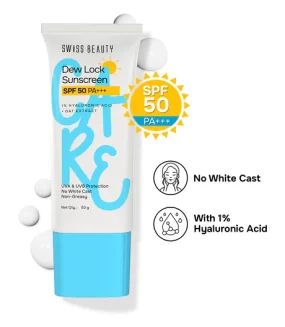
- Sheer or “no white cast” formulas
- Tinted mineral sunscreens for extra tone-evening benefits
How Much Sunscreen Do You Actually Need?
Most people don’t apply enough, which reduces protection.
For your face and neck, use about:
Two finger lengths of sunscreen (a line on your index and middle finger)
Apply it as the last step of your morning skincare routine, before makeup.
Do You Need to Reapply?
Yes – especially if you are:
- Outdoors
- Sweating
- Swimming
- Sitting in direct sunlight
Reapply every 2–3 hours when exposed to daylight. Powder and spray SPF products can help with easy touch-ups over makeup.
If you’re indoors all day with minimal sunlight exposure, one good morning application is often sufficient – but more is better if you’re near windows.
SPF and Makeup: Do You Still Need Both?
Makeup with SPF is a bonus, but it’s usually not enough on its own. You’d need to apply a much thicker layer of foundation than most people actually use to get full protection.
The best approach:
- Apply a dedicated sunscreen
- Let it absorb
- Apply makeup on top
This ensures your skin gets the protection level listed on the bottle.
The Long-Term Payoff of Wearing SPF Daily
Wearing sunscreen every day helps:
✔ Prevent premature wrinkles
✔ Maintain even skin tone
✔ Reduce risk of dark spots
✔ Protect collagen and firmness
✔ Support results from serums and treatments
✔ Lower long-term risk of skin damage
It’s one small step that makes a huge difference over time.