


Introduction
Aging is a natural process, but that doesn’t mean we can’t support our skin to age gracefully. Fine lines, wrinkles, and loss of elasticity are common concerns, and the skincare industry has developed powerful solutions to slow these changes. Understanding the science behind anti-aging skincare helps you choose products that truly work, rather than falling for marketing hype.
What Causes Skin Aging?
Skin aging is influenced by two main factors:
- Intrinsic aging: Natural, genetic changes that occur over time.
- Extrinsic aging: Environmental damage from UV rays, pollution, lifestyle, and diet.
Key contributors include:
- Collagen breakdown (loss of firmness)
- Reduced cell turnover (dullness)
- Oxidative stress (damage from free radicals)
- Dehydration (loss of plumpness)
The Role of Collagen and Elastin
Collagen and elastin are proteins that keep skin firm and elastic. As we age:
- Collagen production slows down.
- Elastin fibers weaken, leading to sagging.
- Wrinkles form as skin loses structure.
Anti-aging products often target collagen stimulation to restore firmness.
Key Anti-Aging Ingredients
- Retinol (Vitamin A)
- Boosts collagen production.
- Speeds up cell turnover.
- Reduces fine lines and pigmentation.
Best Used: At night, with moisturizer to prevent dryness.
- Peptides
- Short chains of amino acids that signal skin to produce collagen.
- Improve firmness and elasticity.
Best Used: In serums or creams for daily use.
- Antioxidants (Vitamin C, E, Green Tea)
- Neutralize free radicals.
- Brighten skin and reduce sun damage.
Best Used: Morning serums under sunscreen.
- Hyaluronic Acid
- Provides deep hydration.
- Plumps fine lines instantly.
Best Used: Daily in serums or moisturizers.
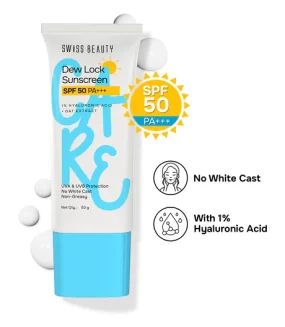
- Sunscreen
- Prevents UV-induced aging.
- Protects collagen and prevents pigmentation.
Best Used: Every morning, reapplied throughout the day.
The Importance of Sun Protection
UV rays are the biggest external factor in skin aging. Even the best anti-aging products won’t work if you skip sunscreen.
- Use SPF 30 or higher.
- Choose broad-spectrum protection.
- Reapply every 2–3 hours outdoors.
Lifestyle Factors That Accelerate Aging
- Smoking: Reduces blood flow and damages collagen.
- Poor diet: High sugar intake accelerates glycation, damaging skin proteins.
- Lack of sleep: Reduces skin repair and increases dark circles.
- Stress: Raises cortisol, leading to inflammation and breakouts.
Building an Anti-Aging Routine
Morning:
- Gentle cleanser
- Antioxidant serum (Vitamin C)
- Moisturizer
- Sunscreen
Evening:
- Cleanser
- Retinol or peptide serum
- Hydrating moisturizer
- Overnight mask (optional)
Common Mistakes in Anti-Aging Skincare
- Using retinol without sunscreen (causes sensitivity).
- Over-exfoliating (damages skin barrier).
- Expecting instant results (anti-aging is long-term).
- Mixing too many activities at once.
When to Start Anti-Aging Skincare
Experts recommend starting preventive care in your mid-20s. Early use of sunscreen, antioxidants, and hydration slows down visible aging. Stronger activities like retinol can be introduced in your late 20s or early 30s.
Conclusion
Anti-aging skincare isn’t about reversing time—it’s about supporting your skin to stay healthy, firm, and radiant as you age. By understanding the science behind collagen, antioxidants, and hydration, and by protecting your skin from UV damage, you can build a routine that truly works. Aging is inevitable, but with the right care, you can embrace it beautifully.